APH
APH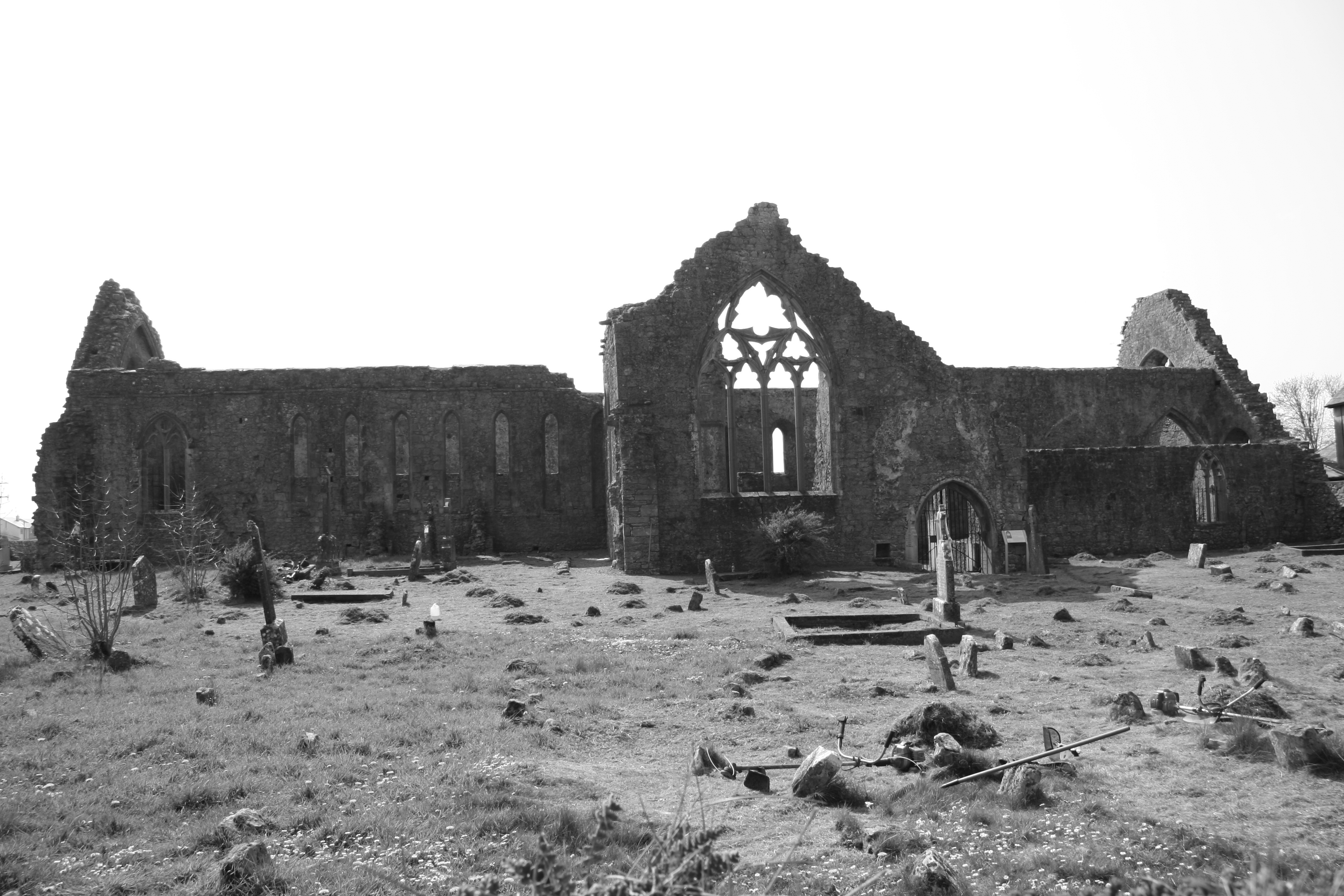
Source: ‘Statistical and Survey of the County of Galway’.
ATHENRY In an old map it is called Kingstown, and was anciently called Athenry; it was a remote period, even before Galway, a town of some eminence, of which some remains may been seen in the ruins of the town wall and gate, and an old abbey etc. A hundred years ago it was reckoned the second town in the county of Galway; at present it has every appearance of decay, not possessing any kind of manufacture of any note. Mr. Grose, in his Antiquities, gives the following account of this town: “Athenry was formerly an handsome town, surrounded by walls by King John in 1211. Meyler de Bermingham, second baron of Athenry, granted land to build, a Dominican monastery on, and an hundred and sixty marks. St. Dominick it is said, wrote to Bermingham for this purpose and a noble fabric was erected in 1241. Florence O’ Flin, archbishop of Tuam, Thomas O’Kelly bishop of Clonfert, Walter of Ulster, William de Burgh, and others, were great benefactors to this church’’.
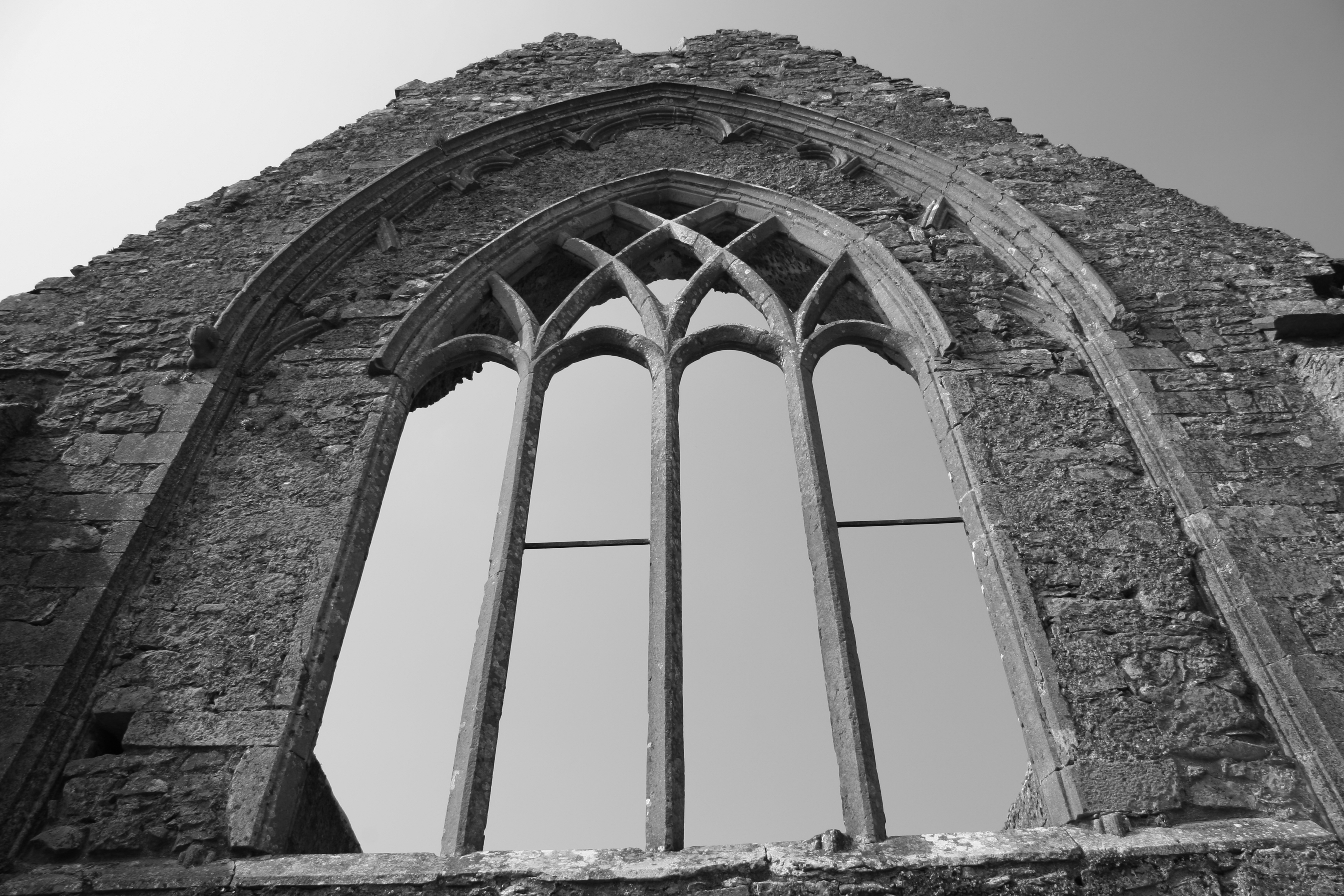
Photo: Gerry Ahern
Papal Bull of indulgence In 1400, Pope Boniface the 9th granted a bull of indulgence to those who visited and contributed to the repairs and preservation of this monastery. An accidental fire having consumed the church in 1423, Pope Martin the fifth issued another bull for the reparation; and in 1427, William Ryedymar and Richard Golber and other Dominicans, having represented to the said Pope Martin that there was a want of religious men to instruct the natives in the Catholic faith, petitioned him for a licence to found two chapels or oratories, with a belfry, bell, cemetery, house, cloisters, and other offices. Where these chapels were built is not well known, but it is supposed they were in Tombeola, at the head of Roundstown bay, in the barony of Ballynahinch, and at Ballindown in the county of Sligo. Repairs of the Church Pope Eugene the fourth, in 1445, renewed the bull of Pope Martin for the repairs of the church, at which time it had thirty monks; and in 1644, it was erected into a university (stadium generale) with four chapters held in Rome. The little dependence to be placed on Monkish inscriptions, where the honour or interest of their order is concerned, will evidently appear from the following certificate: “We, the underwritten, do by these presents testify to our posterity and future ages, that we seen and read with our eyes this inscription placed over the door of the refectory of the Dominicans of Athenry Carolus Manus rubrae me fieri fecit. As time will erase these letters, we have given this testimony the 24th day of October, 1725. Thomas Power Daly, Corrownakelly, esq. James Browne, Andrew Semper, Athenry Andrew Browne, Michael Berny, deputy portrieve of Athenry. R. P. Fr. Raymundus de Burgo. R. P. Fr. Augustinus de Burgo.” Without doubt these respectable persons saw what they testified, but the inscription is palpable forgery, and allowed to be such by the historiographer of the Dominican order, for, says he, “how could Cathalcroove-derg the person alluded to, who titular king of Connaught, and died in 1224, cause this refectory to be made in 1241, the true time of its building?”
Photo: Gerry Ahern
Cemetery The cemetery of this monastery was a great place of internment. In it were laid the De Burghos, MacDavoes, O’Heynes, Kilkellies, Moghans, Brownes, Lynches, Colmans, and Dalies. In the 16th of Elizabeth this monastery, with its appurtenances, thirty acres of land in Athenry, and twelve in the town of Balindana (quere Ballindona) were granted for ever in capite to the portrieve and burgesses of the town of Athenry, at the yearly rent of 26s. 4d. Irish money. The remains of this monastery shew it to have been a noble and extensive pile. Part of them are converted into barracks, and the barrack yard was the ground where the cloisters stood. The tower is unequal, the lower being larger than the upper part. The eastern window is in good style. In 1295 Peter de Birmingham of Athenry sat in one of Edward I.’s parliaments. This abbey is the burial place of many respectable families, amongst others William de Bermingham, arch-bishop of Tuam and son to the founder, was buried here in 1289. In1312 a charter was granted by Edward II for walling the town. There are a multitude of villages not possessing any claim to a particular notice; with the exception of MountBellew, they are uniformly dirty and ill built, owing chiefly to that criminal indifference which too many landlords seem to feel for the comforts or their tenantry. In some few places an attempt has been made by a few pennyworth of white-wash to imitate the example set by Lord Clancarty, but a lamentable difference subsists; his tenants have the entire of their little cottages and concerns uniformly clean and comfortable; the others, though the front of their cottages may be dabbed with white wash, the back and interior exhibit every reality of filth and wretchedness. Lord Clancarty’s tenants are assisted by a contribution of two-thirds or more of their expenditure, the other tenants must help themselves. It would be unpardonable to omit mentioning Mr.D’Arcey’s infant town of Clifden in Connemara, which promises at no very distant period to arrive at great celebrity; it only wants a mercantile man with a capital and enterprize to accomplish this; such men as the late Mr. Patterson of Kilrush, Mr. Patten of Westport, or the late Mr, Anderson of Fermoy. Clifton possesses almost every material for cheap building; stone, sand, lime and cheap labour on the spot, and the sea open for the carriage of timber and every other article. The roads to it were formerly very hilly and difficult; at present, by the unceasing and well directed exertions of Mr. D’Arcey, they run for miles nearly on one level, and when the new line of road is finished, the communication between Clifton and Oughterard, a distance of upwards of thirty miles, will be nearly on the same level, by conducting it in the valleys, instead of the present dangerous one over and on the edge of precipices. He has been ably assisted in those roads by Mr. Thomas Martin, through whose estate the greater part of the road will run. Mr. D’Arcey has erected a very commodious hotel for the accommodation of those who may be induced by the desire for sea bathing or pleasure. He has also built a very beautiful gothic church from the picturesque pencil of Mr. Coneys. A Catholic Chapel and market house are in a state of progress; also stores for salt, and all other necessaries for either fishery or for shipping in distress, are intended to be immediately built.