APH
APH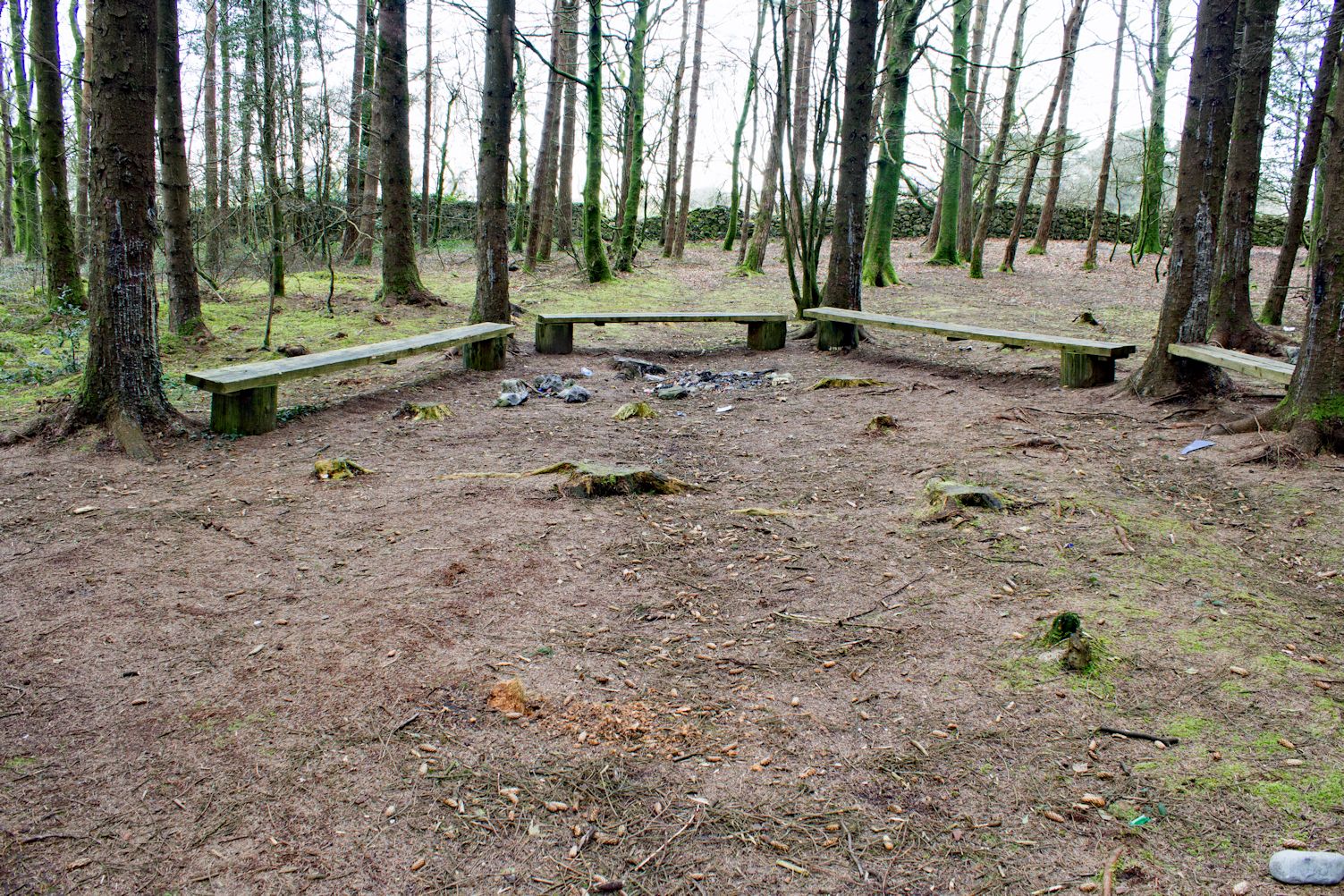
Editor: Gerry Burke
The forest comprises of 509 acres in the townlands of Tobberoe and Palmerstown. The soil varies from brown earth directly over limestone pavement to permeable boulder till and light glacial gravels. The best type of soil is marginal agricultural land, e.g. rushy soil as it suits Sitka Spruce, which has the greatest economic potential.

The first planting took place in 1936 and about 90% of it has been replanted from 1959 to 1973. The most common trees are Sitka Spruce, Norway Spruce, Hodge Pole Pine, Grand Fir and a small percentage of Ash, Beech, Sycamore and Sitka Pine. By the late 1950’s half of the plantation had failed due to an attack by Pine sawfly and pine shoot beetle resulting in large patches of Scots pine dying off. Rotation happens every 40 to 50 years. When rotation occurs the trees are used for pulp wood, stake wood, pallet wood, commercial timber and hurley ash using the ash root.
The common flora found in the wood are heather, ferns, bracken, briar, rushes, bluebells, wild strawberry, herb robert, and wood sorrel. Fauna includes hares, rabbits, foxes, badgers, field mice and red squirrel. The forest has many walks of varying length.